Western Downs Regional Council: Richmond Park, Bunya Mountains
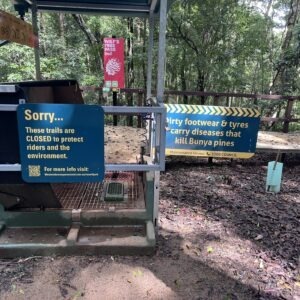
The Russell Park Mountain Bike Trails opened in July 2023 and were intended to support visitation to the Bunya Mountains one of the most culturally significant landscapes in Queensland and a place where First Nations people have gathered for thousands of years. Shortly after construction, the trail network began to deteriorate. With no maintenance budget, operational systems, or trail-management capabilities within council, small issues quickly compounded. Early 2024 as the peak tourist season ramped-up the entire network had to be closed for safety reasons. Visitors were travelling from far-away expecting to use the new trails only to find locked gates and disappointment.
Western Downs Regional Council engaged Blue Sky Trails to help them address the situation and rebuild a high-quality, sustainable trail asset for the community and visitors.
What We Delivered
1. Independent Trail Audits & Baseline Data
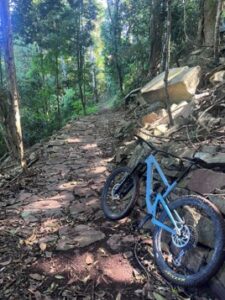
Using our structured audit methodology, supported with TrailVision we captured a full condition assessment of each trail in the network. This provided council with a clear picture of root causes, safety risks, drainage issues, emerging failure points, and user-experience gaps. The audit became the baseline dataset needed to make informed decisions and prioritise works.
2. A Clear Rectification Plan and Work Packages
We translated the findings into actionable work packages, practical, prioritised, and appropriate for both internal teams and contractors. This allowed Council to move from reactive decision-making to a structured, defendable maintenance approach.
3. Trail Management Framework (Fit-for-Purpose Governance)
To support long-term sustainability we created a practical, easy-to-use Trail Management Framework. This clarified roles, responsibilities, inspection cycles, maintenance frequencies, closure protocols and WHS considerations. This integrated with Councils existing processes and policies and was essential to provide Council the structure it needed to operate the network with confidence.
4. Capability Building & On-Country Training
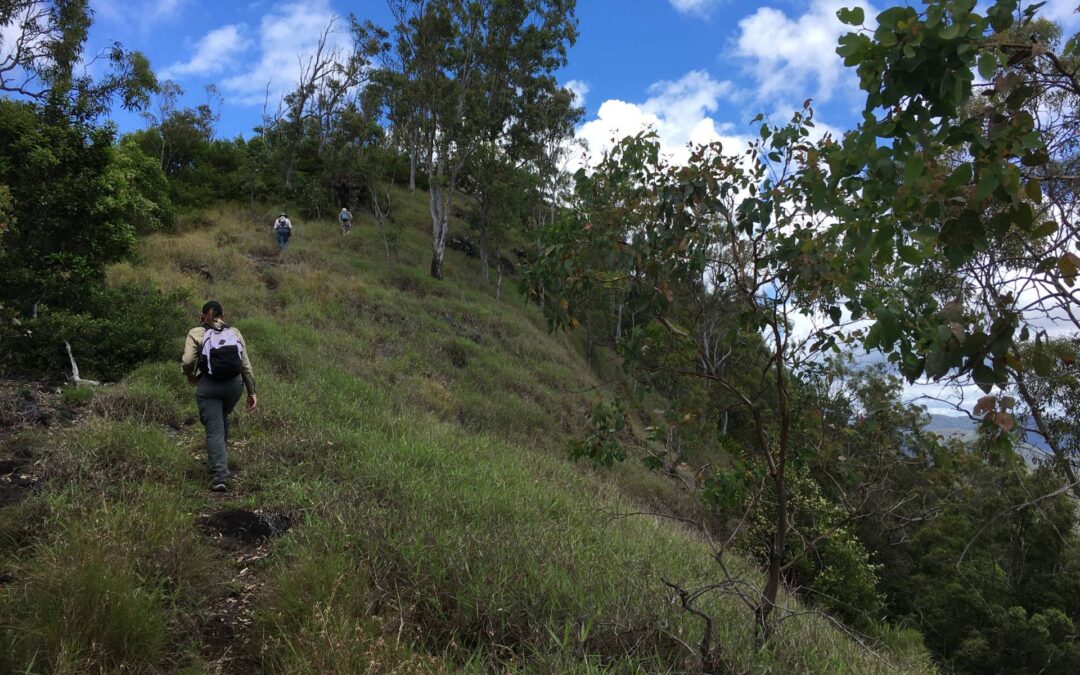
We delivered hands-on training to WDRC parks staff and rangers from the Bunya Peoples Aboriginal Corporation, building capability, shared understanding, and a foundation for long-term stewardship. First Nations rangers now maintain the trails on Country, strengthening connection to songlines and culturally significant places.
5. Trail Monitoring, Usage Analytics & Weather-Response Systems
We implemented a trail condition and usage monitoring program using digital trail counters and online dashboards. Council now has real-time visibility of trail performance, trends, and risks, allowing considered trail management, early intervention and significant cost savings.
The Outcomes
The transformation has been profound.
- The trails reopened in April 2024 with improved sustainability and safer, higher-quality riding experiences.
- Council staff alongside Rangers from the Bunya Peoples Aboriginal Corporation now care for the trails, reconnecting community to Country and enabling cultural land management practices.
- Weed and feral-animal pressures have reduced as rangers gained access to previously unreachable areas.
- Bunya pines, once impacted by feral pigs, are germinating again.
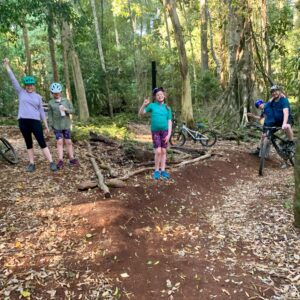
- A volunteer trail-care group has formed, strengthening community ownership.
- Council now has the systems, confidence, and data to manage a high-value trail asset.
Why This Project Matters
Richmond Park is an example of why funding trails up until the ribbon cutting is not feasible. Sustainable trails require ongoing maintenance budgets, clear operational systems, trained staff, and data that supports evidence-based decisions.
For Western Downs Regional Council, the shift to a structured, long-term management approach has restored more than just a trail network it has restored community confidence, cultural connection, and the health of Country itself. The visitor economy now has confidence through ongoing and repeat visitation based on a robust and sustainable trail asset.